Introduction
Walk down any grocery aisle and watch what happens when a shopper slows down. They reach for something. That moment of hesitation is almost never random. It's triggered by what they see on the outside of the package.
Secondary package labels are doing more work than most brand owners recognize. They have to protect the product, satisfy FDA requirements, and convince a shopper to buy — often before the inner package is ever seen. For food and beverage brands in particular, the outer carton or box is often the first and only impression a product makes before a shopper moves on.
This guide covers exactly what secondary package labels are, how they differ from primary labels, what information must appear on them under FDA rules, and how to design them so they drive purchase decisions.
Key Takeaways
- A secondary package label is the printed content on the outer layer of packaging that surrounds the primary container
- Secondary labels must carry all FDA-required food labeling elements when the primary container isn't visible at retail
- Variety packs and multipacks have specific FDA rules — nutrition info must appear on the outer container
- Packaging design influences purchase decisions for 72% of U.S. adults, per Ipsos
- Visual hierarchy, appetite-appeal imagery, and sharp copy determine whether a shopper picks up your product or walks past it
What Are Secondary Package Labels?
A secondary package label is the printed information and design applied to the outer layer of packaging that surrounds the primary package. The structural container — the box, carton, shrink-wrap tray — is the secondary packaging. The label is what's printed on it.
A few common food and beverage examples:
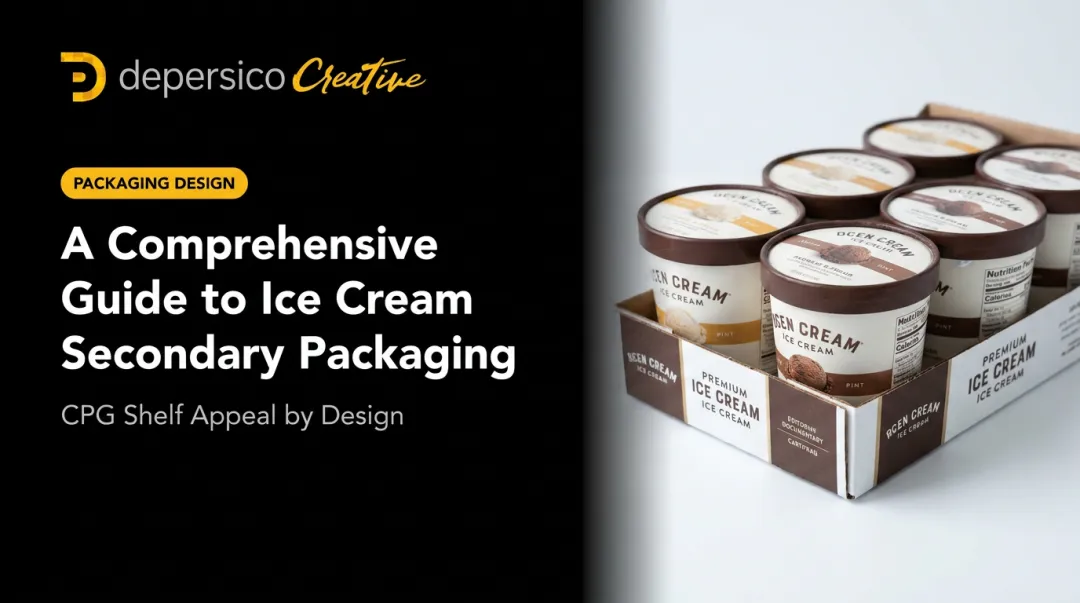
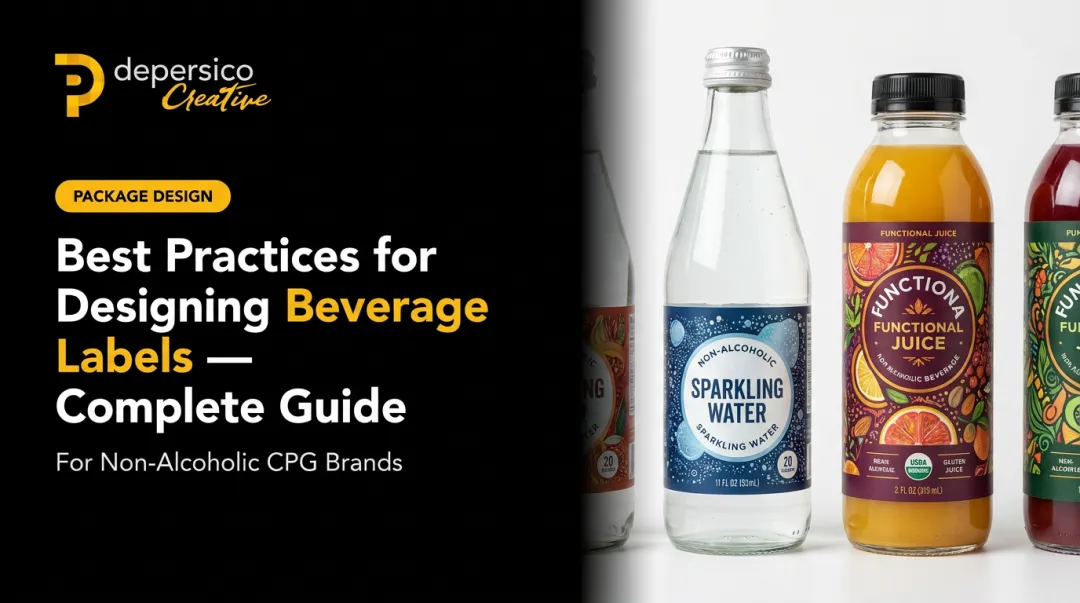
- A printed paperboard carton enclosing a bottled juice — the carton is the secondary package, its printed graphics are the secondary label
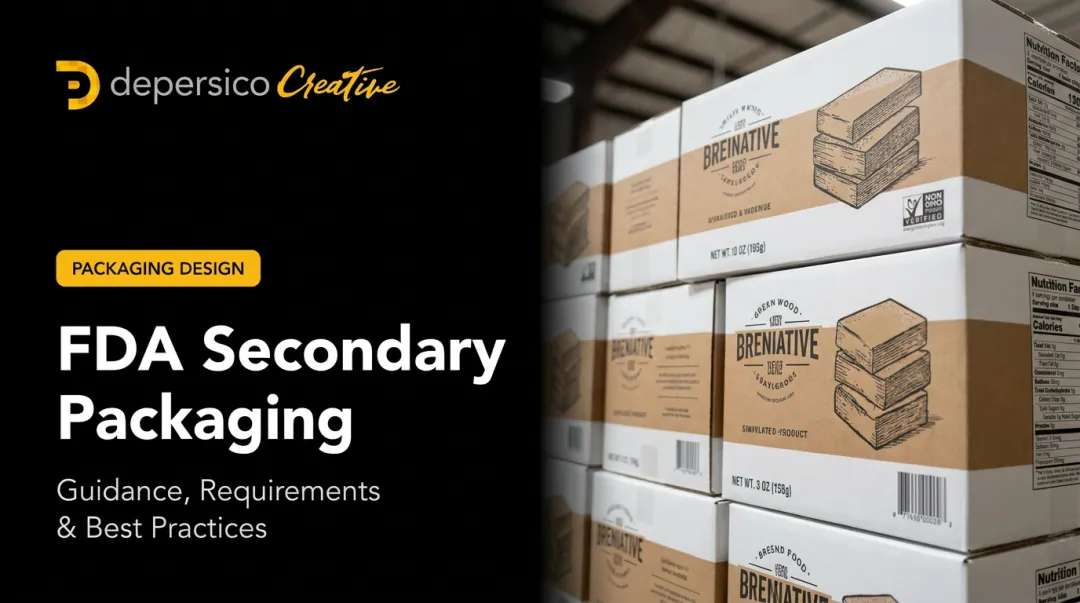
- A cardboard box around a bagged snack — the box graphics carry the brand, while the inner bag holds the product
- A club-store carton holding four pouches of Idahoan® Steakhouse potato slices — the outer box is secondary packaging, designed to communicate the product's restaurant-quality appeal
Are Labels Considered Part of Secondary Packaging?
Yes — in most retail contexts, the label is the secondary packaging surface when that outer layer is a printed carton or box. The FDA's enforceable language refers to "outside container or wrapper" rather than "secondary label" as a distinct category, but the functional definition is the same.
One important exception: shipping containers used solely to transport products in bulk to manufacturers, processors, or distributors are excluded from FDA's retail package definition under 21 CFR 1.20. A plain corrugated case that never reaches a consumer shelf doesn't require consumer-facing labeling.
Primary Label vs. Secondary Label: Key Differences
These two terms get used interchangeably, which causes real problems during design and compliance reviews. They're not interchangeable — and treating them as such creates costly mistakes.
Primary label: The information applied directly to the innermost container — the bottle, can, pouch, or bag that physically contains the product. Under 21 U.S.C. § 321(k), "label" means written, printed, or graphic matter on the immediate container.
Secondary label: The printed content on the outer wrapping or carton. A bottled hot sauce inside a printed paperboard carton illustrates this clearly: the label on the bottle is primary; the carton enclosing it is secondary.
The Compliance Difference
Primary labels are legally required to carry all mandatory FDA information because they travel with the product all the way to the point of use. Secondary labels must carry that same information only when the primary label is not visible or legible through the outer packaging.
Key rule: If a consumer cannot see the primary label through the outer container at retail, the outer packaging must meet all labeling requirements under 21 CFR Part 101.
The Design Difference
Primary and secondary labels also serve different audiences at different moments. Here's how they compare across the three dimensions that matter most in package design:
| Dimension | Primary Label | Secondary Label |
|---|---|---|
| Audience | Consumer at home, point of use | Shopper at retail, mid-aisle |
| Surface area | Limited (bottle, can, pouch) | Larger (carton, box, wrap) |
| Primary job | Deliver required information | Stop the shopper and trigger a pickup |
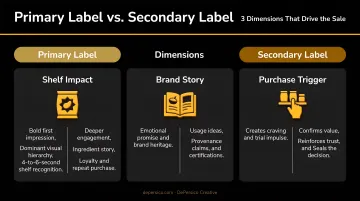
Secondary packaging offers more surface area — more room for photography, brand storytelling, benefit callouts, and lifestyle context. For most food and beverage products, it's the main brand-building canvas.
What Information Must Appear on a Secondary Package Label
When the primary package is fully enclosed and not visible to the consumer at point of purchase, the secondary label must carry the full suite of FDA-required elements. Every element below has a regulatory basis — and missing any one of them creates compliance exposure.
Required Labeling Elements
| Element | Regulatory Basis |
|---|---|
| Statement of identity (product name) | 21 CFR 101.3 |
| Net quantity of contents | 21 CFR 101.105 |
| Ingredient list | 21 CFR 101.4 |
| Nutrition Facts panel | 21 CFR 101.9 |
| Allergen declarations | FALCPA + FASTER Act |
| Manufacturer, packer, or distributor name/address | 21 CFR 101.5 |
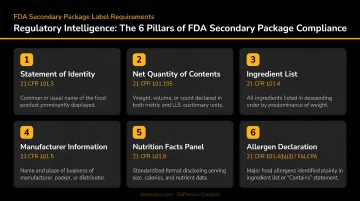
As of January 1, 2023, sesame became the ninth major food allergen under the FASTER Act. Any brand updating secondary cartons now needs to audit for sesame disclosure where applicable.
Variety Packs and Multipacks
Variety packs carry specific rules. Per 21 CFR 101.9, when two or more separately packaged foods intended to be eaten individually are enclosed in an outer container, nutrition information must be specified for each food and be visible at point of purchase. That means the outer container carries the nutrition labeling burden — not just the individual inner units.
Unit containers within a multipack retail package can be exempt from individual labeling only if:
- The outer package carries all required nutrition information
- Units are securely enclosed and not intended to be separated for retail
- Each unit is marked "This Unit Not Labeled For Retail Sale"
Optional Elements That Drive Purchase
Required information gets a product on shelf legally. Optional elements get it picked up:
- Certifications (Non-GMO, Kosher, Gluten-Free, USDA Organic)
- Preparation instructions or serving suggestions
- Origin claims or sourcing stories
- Flavor or usage occasion callouts
- Customer-facing brand claims
One more item that belongs in this planning phase: barcode, lot code, and expiration date placement. These need to be mapped in the layout before creative work begins, not worked in after the fact.
The Branding and Marketing Power of Secondary Labels
The numbers are direct: 72% of U.S. adults say packaging design often influences their purchase decisions, according to an Ipsos survey of 2,002 adults. For carton and box formats specifically, 67% said paper and cardboard packaging makes products feel more premium or high quality.
For a food brand standing in front of a retail reset, those aren't abstract numbers — they describe exactly what your secondary label is up against every day.
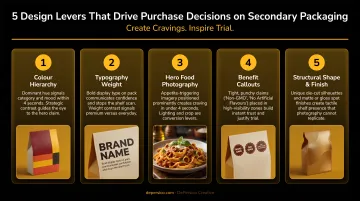
Visual Levers That Move Product
A 2025 peer-reviewed study of 490 consumers found that visual packaging elements — color, graphics, logo, typography, and layout — affect purchase intention through brand experience. For food and beverage brands, the most powerful of these is appetite appeal: the visual cues that create an immediate sensory response.
Key visual levers on a secondary label:
- Logo placement that's visible and anchored, not buried under other elements
- Hero photography (steam, texture, pour shots, plated presentations) that triggers craving before a shopper reads a word
- Warm color palettes to lift intent for indulgent products; cooler tones for health and "virtue" categories
- Typography that gives the eye a clear path: brand name → product type → key benefit
- Deliberate white space, because premium positioning often means restraint over more content
The Role of Creative Linguistics
What surrounds the imagery matters as much as the imagery itself. Words like "slow-simmered," "crafted," "real," or "farm-grown" trigger sensory and emotional responses before a shopper has consciously registered why. The specific words on a secondary label aren't decoration. They're a selling tool.
This is what DePersico Creative calls creative linguistics: the strategic selection of words and phrases that create immediate connection and craving in the seconds a shopper spends scanning a shelf. Their approach applies four criteria to every word that earns space on a package: relevant to the product, unique against the competitive set, simple enough to process instantly, and memorable enough to stick. On a secondary carton's front panel, that framework ensures every word is doing work.
Brand Storytelling and Consistency
Secondary packaging's extra surface area opens up primary labels rarely have: back panels for origin stories, side panels for sustainability credentials, top flaps for usage inspiration. DePersico Creative's work for DaVinci pasta, for example, included a back-panel brand story explaining the unique process behind the pasta — content that builds emotional connection that a front-panel label rarely achieves alone.
One non-negotiable: the secondary label must align visually and tonally with the primary label and the brand's broader identity. Inconsistency between inner and outer packaging creates cognitive friction at the shelf — and a shopper who hesitates rarely converts.
Best Practices for Designing Effective Secondary Package Labels
Lead With Visual Hierarchy
The most important element — brand name or hero claim — needs to be legible from arm's length. A recommended priority order:
- Brand identity (logo, color system)
- Product name and variant
- Appetite-appeal imagery
- Key claim or benefit callout
- Required regulatory information
Cluttered secondary labels lose the shopper before they read a single word. Every element on the face panel needs to earn its place by contributing to that decision window — DePersico Creative's methodology targets communicating product value within 4–6 seconds.
Start With a Structured Assessment
Designing a secondary label without first auditing what you're competing against is working blind. Before a single layout gets started, brands benefit from a structured look at what their current packaging communicates — and where the competitive set is pulling ahead.
- Verify the correct dieline version with your converter before designing around it
- Respect fold and cut lines, with bleed extending beyond cut edges per the printer's specification
- Confirm substrate early — Pantone colors shift on uncoated stock in ways that aren't obvious until press
- Lock UPC, lot code, and date code positions in the layout before creative development begins
Skipping these steps doesn't save time. It creates costly reprints, compliance corrections, or — worst case — a product that ships with a label that fails retail requirements.
Frequently Asked Questions
Frequently Asked Questions
Are labels secondary packaging?
Labels are considered part of secondary packaging when printed onto or applied to the outer layer — a carton, box, or shrink-wrap tray. Labels on the innermost package that directly contains the product are primary packaging elements.
What is an example of secondary packaging?
A printed cereal box enclosing a sealed inner bag, a paperboard carton around a juice bottle, or a shrink-wrapped tray bundling individual canned goods are all secondary packaging.
What is the difference between a primary label and a secondary label?
A primary label is on the innermost package that directly contains the product and legally must carry all required FDA information. A secondary label is on the outer packaging — it serves a compliance function when the primary label isn't visible, and carries the branding and retail messaging that drives purchase.
Do secondary packages require nutrition labels?
Nutrition labels are required on secondary packaging when the primary package is not visible to the consumer at point of purchase. If the primary label is legible through the outer packaging, duplication may not be required — verify against FDA guidelines for your specific product and configuration.
What information must appear on a secondary package label for food products?
When the secondary label carries consumer-facing information: product name, net weight, ingredient list, Nutrition Facts panel, allergen statements, and manufacturer name and address — plus any certifications or brand claims the brand chooses to feature.
How do secondary package labels affect consumer buying decisions?
Secondary labels are the first visual contact point at retail — shoppers decide in seconds whether to pick up a product. Strong appetite-appeal imagery, a clear visual hierarchy, and compelling copy turn that moment into a sale.